
Plenty of people can design a good shirt. Far fewer can get strangers to buy one. We see both sides: our shop prints shirts for brands, teams, and events, and we market our own local media brands, including Only in Ocala, which reaches more than 2,000,000 people a month. This guide is what we tell t-shirt sellers who ask how to get their first steady customers.
How do you market a t-shirt business?
To market a t-shirt business, define a clear niche, then promote it where buyers already look. Optimize product pages and your Google Business Profile, show shirts on real customers, build an email list for repeat sales, and partner with local groups. Track which channel drives orders, then spend more there.
The nine steps below put that into practice, roughly in the order we would do them.
1. Nail your niche and one clear offer
"Cool shirts" is not a niche. "Shirts for Ocala horse people", "gym shirts for women over 40", or "funny shirts for nurses" are. A niche tells you where to find buyers, what designs to make, and what to say in every post and ad.
Start with one clear offer inside that niche: a launch collection of three to five designs, not fifty. A small range is easier to photograph, easier to promote, and cheaper to print while you learn what sells.
2. Show shirts on real people
Flat product photos rarely sell a shirt. People want to see how it fits and who wears it. Photograph your shirts on real customers, friends, and local ambassadors, in places your niche recognizes: the barn, the gym, the hospital break room.
Ask every buyer for a photo and repost it with permission. User photos are the cheapest social proof you will ever get, and they show new buyers that people like them already wear your brand.
3. Optimize your product pages
Your product page has to answer every question before the buyer asks: fabric, fit, size chart, print method, care instructions, shipping time, and returns. Use clear photos from the front, back, and on a person.
Write titles the way buyers search, such as "Funny Nurse T-Shirt, Soft Cotton", not just the design's name. If you sell on your own site, give each design its own page with a short description so search engines have something to rank.
4. Set up your Google Business Profile and local SEO
If you sell locally, from a shop, a booth, or pickup at your home studio, a complete Google Business Profile helps nearby buyers find you. Choose the right category, add photos of your shirts, post updates, and ask happy customers for reviews.
Local searches like "custom shirts near me" are often from groups and businesses ordering in bulk. Our Ocala small business marketing strategy guide covers the profile and review routine in more detail.
5. Pick one social platform and post consistently
Instagram and TikTok suit design-driven brands; Facebook suits local and community-based ones. Pick the platform your niche actually uses and post three to five times a week: new designs, customers wearing them, behind-the-scenes printing, and polls on what to make next.
Communities matter more than follower counts. We built St. George Word of Mouth into a Facebook group of more than 72,000 members by being useful first and promotional second. Read how we built a 72,000+ member Facebook community for the full approach.
6. Build an email and SMS list for repeat buyers
Social platforms decide who sees your posts. Your email list does not. Offer something for signing up, such as early access to new drops or a small discount, and send a short email for every launch and restock.
Repeat buyers are where t-shirt businesses make their money. A customer who loved one shirt is far more likely to buy the next one than a stranger is to buy their first.
7. Partner with local groups and events
Teams, schools, gyms, churches, races, and festivals all need shirts, and many will promote a local brand that supports them. Offer a fundraiser design that a group sells to its members, or sponsor a local event in exchange for a booth.
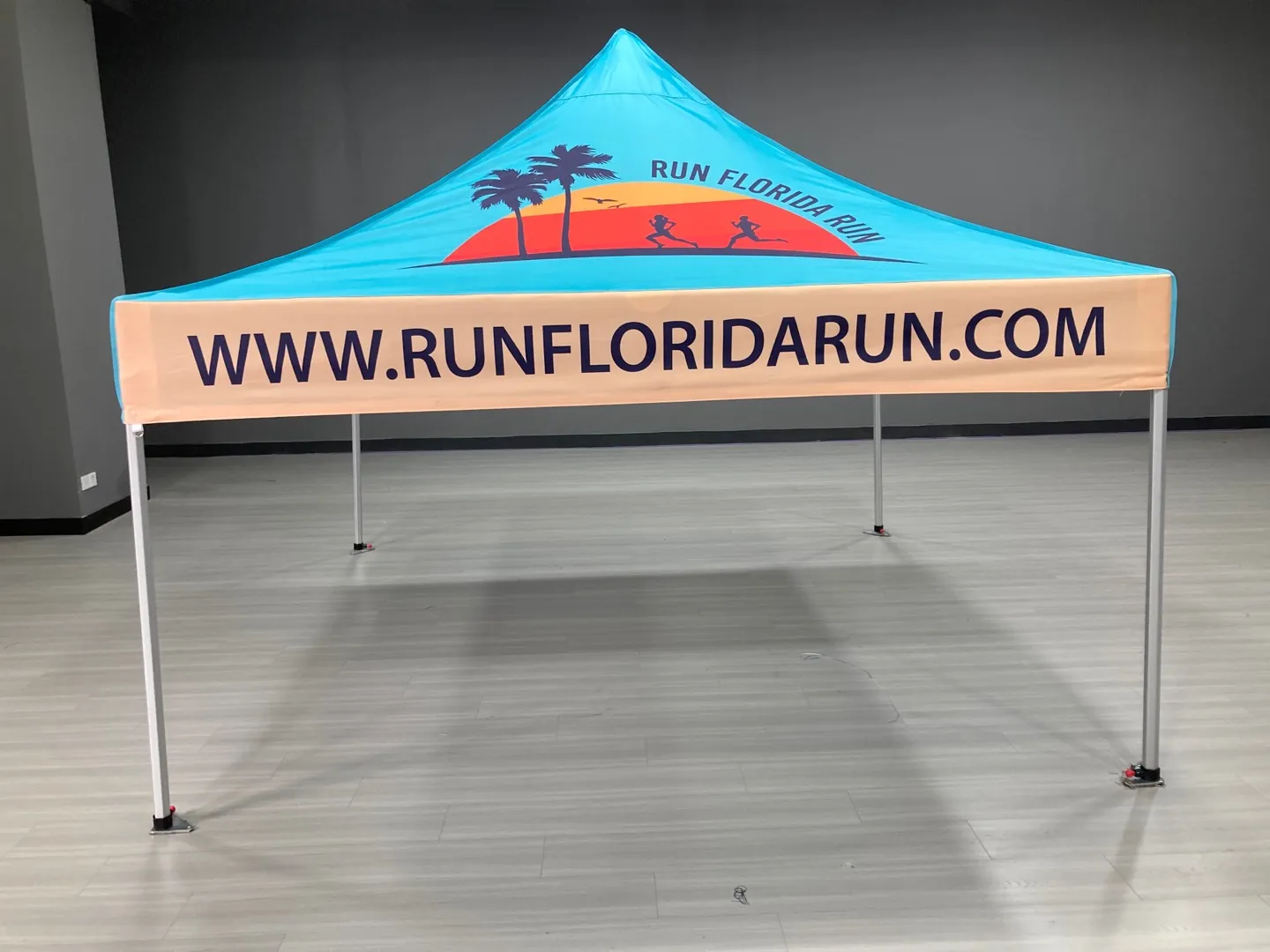
At events, bring enough stock in every size and a sign with your brand and social handle. A professional booth with a custom printed tent and banner makes a small brand look established.
8. Use custom merch and limited drops
Limited runs create urgency: "only 50 printed" or "available until Sunday" gives people a reason to buy now. Seasonal and event-tied designs work the same way.
Choose a print method that fits the run. DTF printing suits small runs and full-color designs with no minimum order, while screen printing is the most cost-effective option for runs of 25 or more. Our custom t-shirt design tips cover how to prepare artwork that prints well.
9. Measure what works
Ask every buyer how they found you, use a separate discount code for each channel, and check your store's sales by source each month. Then put more time and money into the channels that bring orders and drop the ones that only bring likes.
Most t-shirt businesses find one or two channels do most of the work. The goal of measuring is to find yours quickly, before your budget runs out.
Need shirts printed or help marketing them?
We print custom t-shirts for brands, teams, and events, and we help small businesses with social media marketing and local search. Contact us with your designs and quantities, and we will recommend the print method and quote your order.
Still finalizing the artwork? Our custom t-shirt design tips cover colors, fonts, placement, and file setup so your first run prints the way you planned.